BURDWAN MUNICIPALITY
The Municipality of Burdwan was established in the year 1865. At that time the municipal area was 12.8 sq. km. with a population of 39,818. As per 2001 census, the population and the area of Burdwan Municipality are 3,14,638 and 26.30 sq. km. respectively. At present the municipality has 35 wards. Burdwan is the principal town and civil station of the district.

TOWN HALL
The Town Hall was built sometime between 1890 and 1894 and was handed to the Municipality of Bardhaman to help them preserve the remnants of Lala Bansogopal Nandey.

108 Shiva Temple
108 Shiva Temple At Nawab Hat, On the Burdwan-Siuri NH, some 4 kilometres from rail station, is a group of 108 Siva lingam temples built in 1788 popularly known as 108 Shiva Temple.

Curzon Gate
On the occasion of coronation of Sri Bijoy Chand Mahatab, Maharaja of Bardhaman built this gigantic gate at the crossing of GT Road and BC Road, in the year 1903. The visit of the then Viceroy of India Lord Curzon in 1904 resulted in the name of the structure as “Curzon Gate”.

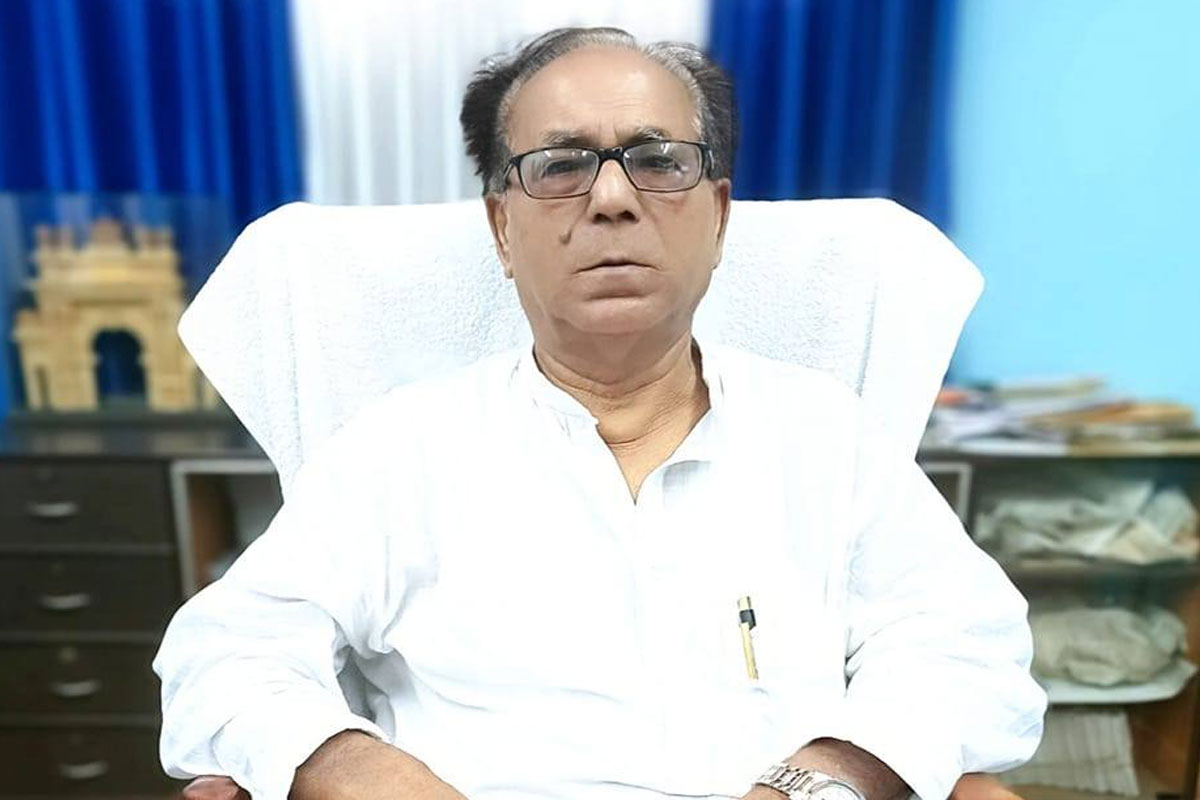
Chairman Message
Shri Paresh Chandra Sarkar
(General Administration, Finance & Resource Mobilization, Planning & Development, Trade License, Other Unallocated Business.)
Welcome to the e-era of Burdwan Municipality. Information Technology (IT) is recognised as an effective tool in catalyzing the administrative activity, in efficient governance. We have, therefore, made significant involvment in it and successfully integrated it with the development process, thereby providing the benefits to our citizens. In India developments have impacted the industrial, education, service and Government sectors and their influence on various applications is increasingly being felt of late. As the era of digital economy is evolving, the concept of governance has assumed significant importance.
e-Governance has consequently become an accepted methodology involving the use of Information Technology in:
- Improving transparency
- Providing information speedily to all citizens
- Improving administration efficiency
- Improving public services such as transportation, health, water, security and municipal services.
Tender & Quotation

Notice Board
- Notice inviting application for maintenance and operation of Pay and Use Toilet at ward no 32 Near Khoshbagan.
- Notice inviting application for maintenance and operation of Pay and Use Toilet at ward no 02 Near Panjabi Para.
- Notice inviting application for maintenance and operation of Pay and Use Toilet at ward no 01 Near Laxmipur Math.
- Application in prescribed format copy enclosed are hereby invited from the eligible candidates for empanelment of LBS I and LBS II for the year 2024 2025 under Burdwan Municipality per following criteria.
- Engagement of Honorary Health Worker
- Bye Law Of SWM
Notice & Employment-Notice
- Engagement of Honorary Health Worker
- Notice for Walk in Interview Medical Officer Part Time
- Engagement of Part Time Medical Officer for UPHCs Under NUHM
- Application in prescribed format copy enclosed are hereby invited from the eligible candidates for empanelment of LBS I and LBS II for the year 2024 2025 under Burdwan Municipality per following criteria.
- Bye Law Of SWM
- Notice for Burdwan Municipality Bye Laws